
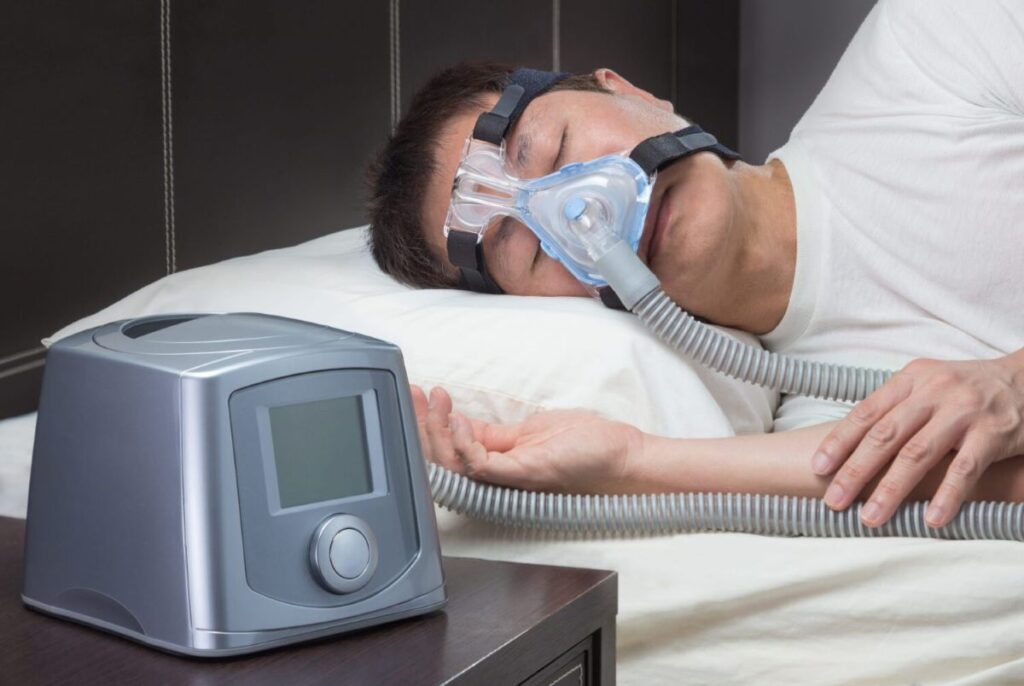
Below are seven practical maintenance tips that help keep a CPAP setup comfortable, hygienic, and reliable over the long run.
What should they clean every day to keep a CPAP performing well?
They should empty the humidifier water chamber each morning, rinse it, and let it air-dry away from direct sunlight. This helps reduce mineral buildup and slows down bacterial growth.
If their mask cushion gets oily, a quick wash with warm water and mild soap can improve the seal and reduce skin irritation.
How often should they replace CPAP filters, and why does it matter?
They should check filters weekly and replace them on the schedule recommended for their specific CPAP machine Australia model. Disposable fine filters often need more frequent changes, especially in dusty homes or households with pets.
Clogged filters can reduce airflow, strain the motor, and worsen allergy symptoms by letting more particles circulate.
What’s the safest way to clean the mask, tubing, and humidifier chamber?
They should use warm water with a mild, fragrance-free soap, then rinse thoroughly and air-dry completely. Strong cleaners, antibacterial soaps, and alcohol-based wipes can degrade silicone and plastics over time.
A weekly deeper clean of the tubing and chamber helps prevent odors and residue that can affect comfort and airflow.
How can they prevent mineral buildup in the humidifier chamber?
They should use distilled water whenever possible. Distilled water minimizes scale that can cloud the chamber, create rough surfaces, and shorten its usable life.
If buildup appears, they can soak the chamber (if it’s manufacturer-approved) in a vinegar-and-water solution, then rinse extremely well and dry fully before reuse.
What should they inspect regularly to catch leaks and wear early?
They should look for small tears in the mask cushion, stretched headgear, and loose connectors. They should also check the tubing for pinholes, soft spots, or cracks, especially near the ends.
If they notice whistling, dryness, or a sudden rise in leak readings, worn parts are often the cause and usually cheaper to fix early.
How should they store and handle their CPAP to avoid damage?
They should place the machine on a stable, hard surface with space around the air intake. Blocking the intake with bedding, curtains, or dust can raise operating temperature and reduce performance.
When traveling, they should use a protective case and avoid leaving the device in hot cars, where heat can warp components and weaken seals. Click here to get more about CPAP Mask Brands Compared: Which Features Matter Most?
When should they replace supplies to maintain long-term performance?
They should follow a consistent replacement cycle based on comfort and visible wear, even if the machine still “works.” Mask cushions lose elasticity, headgear stretches, and hoses can develop micro-leaks that reduce effective therapy.
A practical approach is to replace sooner if they see persistent leaks, discomfort, or recurring odors after cleaning, since those are signs parts are no longer holding up. Check out more about Consumer rights and guarantees.
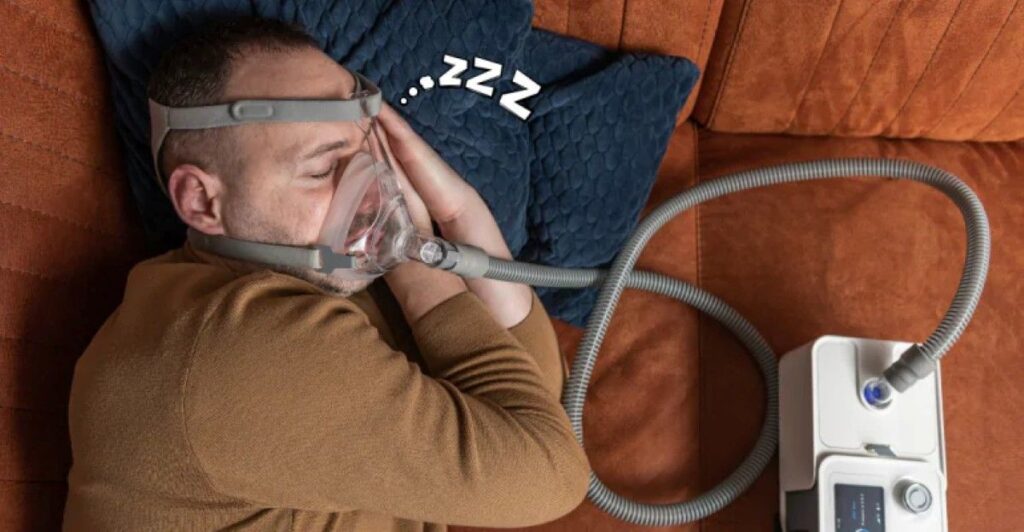
What’s the simplest maintenance routine they can actually stick to?
They can keep it simple: rinse and dry the humidifier daily, wipe or wash the mask cushion daily, then do a full wash of mask parts, tubing, and chamber once a week. Pairing the routine with a recurring calendar reminder helps it become automatic.
If they stay consistent, the machine usually runs quieter, seals better, and delivers more reliable therapy for years.
FAQs (Frequently Asked Questions)
What daily cleaning steps should I follow to keep my CPAP machine performing well?
Empty the humidifier water chamber each morning, rinse it, and let it air-dry away from direct sunlight to reduce mineral buildup and bacterial growth. Additionally, if your mask cushion feels oily, wash it quickly with warm water and mild soap to improve the seal and reduce skin irritation.
How often should CPAP filters be replaced and why is this important?
Check your CPAP filters weekly and replace them according to your machine’s recommended schedule. Disposable fine filters may need more frequent changes, especially in dusty environments or homes with pets. Replacing filters on time prevents reduced airflow, motor strain, and worsening allergy symptoms caused by circulating particles.
What is the safest way to clean CPAP mask, tubing, and humidifier chamber?
Use warm water with mild, fragrance-free soap to clean the mask, tubing, and humidifier chamber. Rinse thoroughly and allow all parts to air-dry completely. Avoid strong cleaners, antibacterial soaps, or alcohol-based wipes as they can degrade silicone and plastics over time. Perform a deeper clean of tubing and chamber weekly to prevent odors and residue buildup.
How can I prevent mineral buildup in my CPAP humidifier chamber?
Always use distilled water in your humidifier chamber to minimize scale buildup that can cloud the chamber and shorten its lifespan. If mineral deposits appear, soak the chamber (if manufacturer-approved) in a vinegar-and-water solution, then rinse thoroughly and dry fully before reuse.
What should I regularly inspect on my CPAP equipment to catch leaks or wear early?
Regularly check for small tears in the mask cushion, stretched headgear, loose connectors, and inspect tubing for pinholes, soft spots, or cracks—especially near the ends. Signs like whistling sounds, dryness, or sudden increases in leak readings often indicate worn parts that are usually cheaper to replace early.
What is a simple maintenance routine I can stick to for my CPAP machine?
Keep it straightforward by rinsing and drying your humidifier daily and wiping or washing your mask cushion every day. Then perform a full wash of mask parts, tubing, and humidifier chamber once a week. Using calendar reminders helps make this routine automatic. Consistency ensures quieter operation, better seals, and reliable therapy over time.