
Portrait tattoos are among the most challenging and meaningful forms of body art. These highly detailed designs permanently showcase loved ones, icons, or influential figures, transforming photographs into lasting tributes. Achieving this level of realism requires exceptional technical expertise—every facial feature, expression, and shadow must be precisely executed to create a true likeness.
The difference between an average portrait tattoo and the work of the best portrait tattoo artist Sydney lies in the ability to capture authentic likeness and emotion. Even the smallest mistake in proportions or shading can result in a portrait that feels flat or unrecognizable. This precision and attention to detail clearly separate professional portrait artists from amateur work.
Sydney’s tattoo scene is widely recognized for producing some of Australia’s finest portrait specialists. Across the city, dedicated studios focus on realism, offering access to the Best Portrait Tattoo Artist Sydney professionals who have spent years mastering both technical accuracy and emotional depth. Understanding what defines exceptional portrait tattooing is essential when choosing an artist capable of delivering truly outstanding results.
What Makes Portrait Tattoos Unique Compared to Other Tattoo Styles?
Portrait tattoos require a level of technical precision and artistic skill that sets them apart from traditional tattoo designs. Unlike conventional tattoos that use bold outlines and simplified images, portrait tattoos require artists to replicate the subtle complexities of human features with photographic accuracy.
The hyper-realistic nature of these tattoos means every element matters. Artists must capture the exact curve of a smile, the depth in someone’s eyes, and the texture of skin—all while working on a living, breathing canvas that moves and changes. This level of detailed tattoo art transforms the skin into a gallery-quality portrait that rivals painted or photographed images.
The Technical Demands of Realism Tattoos
Realism tattoos rely on specialized techniques that differ dramatically from other tattoo styles:
- Fine linework: Artists use single-needle or small groupings to create delicate details like individual eyelashes, hair strands, and subtle wrinkles
- Advanced shading: Multiple passes with varying needle configurations build depth through smooth gradients rather than solid blocks of color
- Tonal layering: Artists work in stages, building up shadows and highlights to create three-dimensional effects on a two-dimensional surface
- Negative space utilization: Strategic use of untouched skin creates highlights and adds dimension without adding ink
These techniques require years of practice to master. A portrait artist must understand facial anatomy, light behavior, and how ink settles into different skin types. The smallest miscalculation in proportion or shading can transform a recognizable face into something unrecognizable.
Precision in Every Detail
Traditional tattoo styles often embrace stylization—think bold American traditional roses or geometric patterns. Portrait tattoos reject this artistic liberty. The goal isn’t interpretation but accurate representation. An artist working on a memorial portrait of someone’s grandmother can’t take creative liberties with her nose shape or eye color. The tattoo must capture her exact appearance, down to the specific way her eyes crinkled when she smiled.
This precision extends to technical execution. While a tribal design might forgive a slightly wobbly line, portrait work demands steady hands and unwavering concentration. Artists often work in extended sessions, sometimes 6-8 hours at a time, to ensure consistency throughout the piece.
Why Is Capturing True Likeness Crucial in Portrait Tattoos?
True likeness in tattoos determines whether a portrait succeeds or fails as a permanent tribute. A portrait tattoo that misses the mark on facial proportions, expressions, or distinctive features becomes an unrecognizable image rather than a meaningful representation of the person it’s meant to honor.
The human brain is exceptionally skilled at recognizing faces, making even minor inaccuracies immediately noticeable. When an artist fails to capture the exact curve of a smile, the specific angle of eyes, or the unique structure of a nose, viewers instantly sense something is “off.” This biological sensitivity to facial recognition means portrait tattoos demand a level of precision that surpasses most other tattoo styles.
The Challenge of Replicating Unique Facial Features
Every face contains countless subtle details that define identity. The distance between eyes, the shape of eyebrows, the contour of lips, and the structure of cheekbones all contribute to making someone recognizable. A skilled portrait artist must measure and replicate these proportions with mathematical accuracy.
Facial expressions add another layer of complexity. A genuine smile creates specific wrinkles around the eyes, while a forced smile appears flat and unconvincing. The tilt of a head, the intensity in someone’s gaze, or the softness of a relaxed expression all require careful observation and technical skill to translate onto skin.
Capturing emotions presents perhaps the greatest challenge in achieving realistic tattoo importance. The difference between sadness and contemplation, between joy and amusement, lies in millimeters of adjustment to facial features. Artists must understand facial anatomy deeply enough to recreate these nuanced expressions authentically.
How Precision Affects the Final Appearance
Tattoo accuracy directly impacts how a portrait ages and appears from different angles. Precise linework ensures that facial features maintain their definition as the tattoo heals and settles into the skin. When lines are placed even slightly off-target, the entire face can appear distorted or asymmetrical.
The placement of highlights and shadows must follow the natural contours of the subject’s face. If an artist positions a shadow incorrectly, it can create the illusion of different bone structure, effectively changing the person’s appearance. This precision becomes especially critical in
How Do Top Portrait Tattoo Artists in Sydney Achieve Realism?
Sydney portrait tattoo artists rely on high-resolution reference photos as their foundation for creating accurate likenesses. These images provide essential details about facial structure, skin texture, and subtle features that might otherwise be missed. Artists typically request multiple photos taken from different angles and lighting conditions to understand the subject’s three-dimensional form. The quality of the reference material directly impacts the final result, which is why experienced artists often guide clients on capturing the best possible source images before beginning any design work.
The Technical Foundation: Linework Precision
Mastery in linework separates exceptional portrait artists from average practitioners. Sydney’s top realism specialists use varying needle configurations to create different line weights and textures. Fine single-needle work captures delicate features like eyelashes and wrinkles, while larger groupings build structure in areas requiring bolder definition. The pressure, angle, and speed of needle application all contribute to creating lines that appear organic rather than mechanical. Artists spend years perfecting their hand control to achieve the steady, confident strokes necessary for facial features that look natural rather than drawn.
Advanced Shading Methods
Realism tattoo techniques depend heavily on sophisticated shading methods that create depth and dimension. Sydney’s skilled artists employ multiple approaches:
- Smooth gradients that transition seamlessly between light and dark values
- Stippling techniques using tiny dots to build texture in skin tones
- Whip shading for soft, natural-looking shadows
- Packing methods to achieve solid blacks and deep contrast
These tattoo shading methods require artists to understand how ink settles in different skin types and how healing will affect the final appearance. The best practitioners adjust their approach based on the client’s skin tone, texture, and the specific placement area.
Black and Grey Mastery
Black and grey realism remains the most popular choice for portrait tattoos in Sydney due to its timeless aesthetic and technical advantages. This style allows artists to focus purely on value relationships without the complexity of color matching. Sydney portrait tattoo artists working in black and grey create stunning depth using only variations of black ink diluted to different concentrations. The monochromatic palette emphasizes form, structure, and emotional expression while maintaining clarity as the tattoo ages.
Color Realism Techniques
While black and grey remains dominant, some Sydney artists are pushing boundaries with color realism tattoos. These pieces demand a keen understanding of color theory—how hues interact with one another—and meticulous layering techniques to replicate natural tones accurately.
- Color packing involves saturating an area with vibrant hues for elements like flowers or clothing.
- Blending techniques combine multiple colors seamlessly—essential for realistic skies or landscapes.
- Highlighting methods use bright inks strategically placed to mimic light reflection on surfaces such as lips or eyes.
Achieving true-to-life colors requires not only skill but also knowledge about how different pigments behave over time—some may fade faster than others depending on sun exposure or skin type factors.
Continuous Learning: Workshops & Collaborations
To stay at the forefront of their craft, many top portrait tattooists engage in continuous learning through workshops or collaborations with other professionals across various art forms—be it painters, photographers or even makeup artists! Such interactions expose them new perspectives while enhancing their existing skill sets.
“Every time I collaborate with someone outside my field it opens up new avenues creatively.” – John Doe, renowned portrait artist based out of Sydney
What Should Clients Expect During the Consultation Process?
A tattoo consultation Sydney session is an essential step in creating a portrait that truly captures the subject’s likeness. This meeting not only allows the artist to review your reference photos and evaluate their quality, but it also serves as a platform for understanding your vision. The consultation process is crucial as it helps in aligning both the client’s expectations and the artist’s capabilities. This initial discussion usually lasts between 30 to 60 minutes, where both you and the artist will decide if the project is feasible and compatible with their artistic abilities.
Design Preferences and Style Alignment
The custom tattoo design process begins with understanding your vision for the portrait. Artists will ask about the emotional tone you want to convey—whether the portrait should capture a candid smile, a serious expression, or a specific moment frozen in time. They’ll discuss whether you prefer black and grey realism for its timeless quality or color realism to capture skin tones and vibrant details. This conversation helps the artist gauge your aesthetic preferences and determine if their style matches your expectations.
Reference photos become the central focus of this discussion. Professional portrait artists will explain what makes a reference photo suitable: proper lighting, clear facial features, high resolution, and minimal shadows that obscure details. They may request alternative photos if your initial selection lacks the necessary clarity for accurate replication.
Placement and Size Considerations
Client-artist communication about placement directly impacts the portrait’s final appearance. Artists will recommend body areas based on the portrait’s dimensions and detail level:
- Chest: Provides a large, flat canvas ideal for detailed faces with minimal distortion
- Upper arm/shoulder: Offers good visibility and moderate space for medium-sized portraits
- Back: Accommodates larger compositions or multiple figures
- Forearm: Works well for smaller portraits but requires careful sizing to maintain detail
- Thigh: Provides ample space with less exposure to sun damage
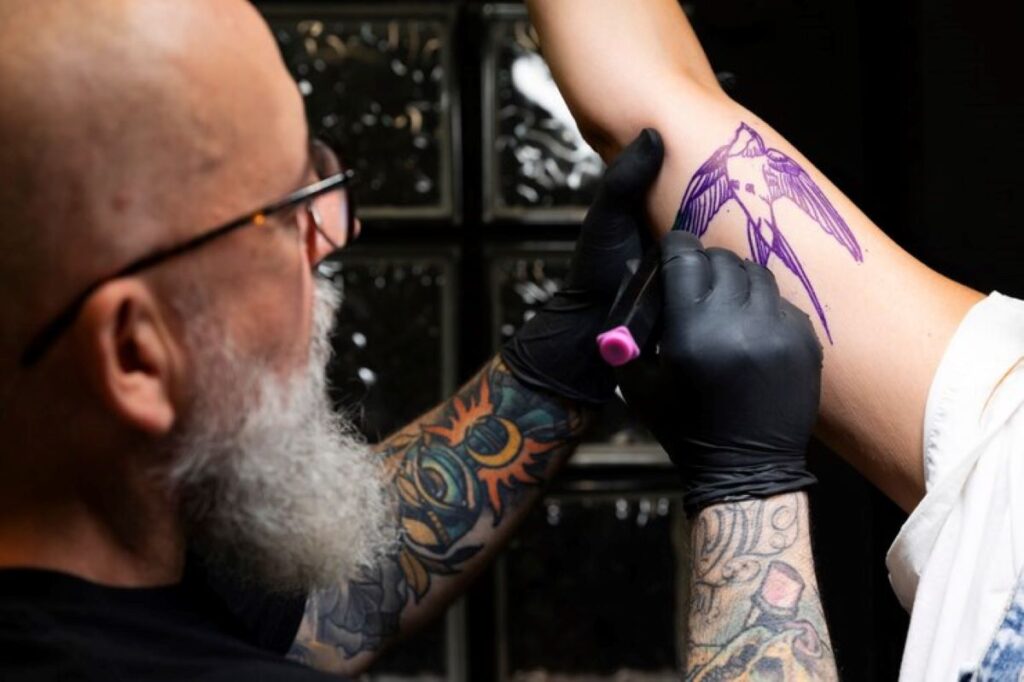
The artist will consider how muscle movement, skin texture, and body contours in each area might affect the portrait’s appearance over time. They’ll trace the proposed size on your skin using transfer paper or markers, allowing you to visualize the placement before committing.
Size directly correlates with detail retention. A face measuring 4×6 inches allows for intricate shading and fine features, while smaller dimensions may require simplifying certain elements. Artists will be transparent about these limitations during the consultation.
Overall, this consultation process plays a pivotal role in transforming your tattoo concept into reality by ensuring that both client and artist are on the same page regarding design, placement, and size considerations. Check out more about Tattoo Sydney FAQs: Price, Healing, Design and Studio Selection Questions Answered.
How Can You Identify the Best Portrait Tattoo Artist in Sydney?
To find the best portrait tattoo artist in Sydney, you can use the following criteria:
- Examine their portfolio: Look for consistent quality in capturing true likenesses. A strong portfolio demonstrates the artist’s ability to replicate facial features, expressions, and subtle details that make each portrait recognizable and emotionally resonant.
- Assess their experience with realism tattoos: Experience specifically with realism tattoos separates competent artists from exceptional ones. An artist might excel at traditional or neo-traditional styles but struggle with the technical demands of photorealistic portraiture.
- Read client reviews and testimonials: Client testimonials provide insight into the artist’s professionalism, communication skills, and ability to deliver on expectations. Reviews offer perspectives beyond what portfolios show, revealing the complete client experience.
By using these criteria, you can identify the best portrait tattoo artist in Sydney who meets your needs and preferences.
What Are Some Recommended Studios Known for Portrait Tattoos in Sydney?
1. Thirteen Feet Tattoo
Thirteen Feet Tattoo stands as one of the top Sydney tattoo studios specializing in portrait work, housing artists who have built reputations for capturing true likeness with exceptional precision. Located in the heart of Sydney, this studio has become synonymous with realism tattoos, particularly portraits that demand meticulous attention to facial features, expressions, and emotional depth. The artists at Thirteen Feet Tattoo work exclusively with custom designs, ensuring each portrait reflects the client’s vision while maintaining technical excellence in shading and detail work.
2. Sash Tattoo
Sash Tattoo represents another cornerstone among reputable portrait studios Sydney clients consistently recommend for realistic portraiture. This studio has cultivated a team of artists who specialize in both black and grey realism and color portrait work, offering versatility for clients seeking different aesthetic approaches. The studio’s portfolio demonstrates consistent quality in capturing subtle details like skin texture, eye reflections, and the delicate gradations that bring portraits to life on skin.
Studio Environment and Artistic Standards
The physical environment of a tattoo studio directly influences both the quality of work and the client experience. Reputable portrait studios Sydney-wide maintain sterile, well-lit workspaces that allow artists to see fine details clearly during the tattooing process. Proper lighting becomes particularly critical when working on portraits, as artists need to distinguish between subtle shading variations that create depth and dimension.
Professional studios invest in:
- High-grade equipment including precision tattoo machines designed for detailed linework
- Sterile environments with proper ventilation and sanitation protocols
- Private consultation rooms where clients can discuss personal portrait subjects comfortably
- Adequate lighting systems that mimic natural light for accurate color matching
The Impact of Studio Culture on Portrait Quality
Studios known for portrait excellence typically foster a culture of continuous improvement and artistic development. Artists at these establishments regularly participate in realism workshops, study anatomy, and refine their understanding of light theory. This commitment to craft separates top Sydney tattoo studios from general tattoo shops that may offer portrait work as one of many styles rather than a specialty.
The consultation process at specialized portrait studios differs significantly from standard tattoo appointments. Artists spend considerable time analyzing reference photos, discussing the subject’s personality, and understanding the client’s expectations to ensure a successful outcome.
For those interested in exploring more about portrait tattoo recommendations, these studios are worth considering.
How Should Clients Prepare Before Their Portrait Tattoo Session?
Proper preparation transforms the tattooing experience by optimizing skin condition, reducing discomfort, and helping the artist work more effectively. Starting hydration routines and rest protocols several days before your appointment creates the foundation for a successful session.
Does Hydration Really Impact Tattoo Quality?
Hydrated skin accepts ink more readily and heals faster than dehydrated skin. Drinking at least 8-10 glasses of water daily for three days before your session plumps the skin cells, making them more receptive to needle penetration. Well-hydrated skin also bleeds less during the tattooing process, allowing the artist to see their work clearly and maintain precision—critical for capturing facial features accurately.
Dehydrated skin becomes tough and resistant, forcing the artist to work harder and potentially causing more discomfort. The skin may also reject ink more readily, leading to patchy areas that require touch-ups. For portrait tattoos where every subtle gradation matters, optimal hydration ensures the artist can execute their vision without technical obstacles.
Why Does Rest Before a Session Matter?
Adequate sleep directly influences pain tolerance and immune response during tattooing. Aim for 7-9 hours of quality sleep the night before your appointment. Rested bodies produce fewer stress hormones like cortisol, which can heighten pain sensitivity and increase inflammation.
Sleep deprivation also impairs your ability to sit still for extended periods—portrait tattoos often require 4-8 hour sessions depending on size and complexity. Fatigue makes these long sessions feel interminable and may force you to cut the appointment short, potentially compromising the final result.
What Clothing Choices Support a Smooth Session?
Wear loose, comfortable clothing that provides easy access to the tattoo placement area. Consider these specific recommendations:
- For arm portraits: Tank tops or short-sleeved shirts that can be rolled up without constriction
- For chest pieces: Button-up shirts that open completely rather than pullovers
- For back portraits: Loose shirts you don’t mind getting ink on, or bring a spare
- For leg work: Shorts or pants with wide legs that roll up easily
Dark-colored clothing is advisable as it minimizes visible ink stains, ensuring you leave the studio looking as fresh as when you arrived.
What Aftercare Practices Ensure Proper Healing of a Portrait Tattoo?
Proper aftercare determines whether your portrait tattoo maintains its crisp details and accurate likeness for years to come. Portrait tattoo aftercare Sydney studios recommend following a strict healing protocol that protects the intricate linework and shading that makes these pieces so special.
Following Studio-Specific Aftercare Instructions
Reputable Sydney studios provide detailed aftercare sheets tailored to their specific techniques and ink types. These instructions typically include keeping the bandage on for 2-4 hours after your session, then gently washing the area with antibacterial soap and lukewarm water. Artists at established studios like Thirteen Feet Tattoo and Sash Tattoo often provide personalized guidance based on the complexity of your portrait and your skin type.
The first 24 hours require the most attention. You’ll need to wash your tattoo 2-3 times daily, patting it dry with clean paper towels rather than cloth towels that harbor bacteria. Applying a thin layer of recommended ointment or fragrance-free moisturizer keeps the skin supple without suffocating the healing tissue.
Protecting Fine Details During the Healing Process
Portrait tattoos demand extra vigilance during healing because any damage to the delicate shading or linework can distort facial features. Healing tips for realism tattoos emphasize avoiding direct sunlight, which can fade the subtle gradations that create depth and dimension in portrait work. UV exposure during the healing phase can permanently alter the tonal values that make the likeness recognizable, potentially leading to fading during healing.
Critical protection measures include:
- Wearing loose, breathable clothing over the tattooed area to prevent friction
- Avoiding swimming pools, hot tubs, and ocean water for 2-3 weeks
- Resisting the urge to pick at scabs or peeling skin, which removes ink
- Keeping the tattoo away from pets and dirty surfaces
- Sleeping on clean sheets and avoiding the tattooed side when possible
Managing the Peeling and Scabbing Phase
The peeling phase typically begins 3-5 days after your session and can be alarming for first-time portrait tattoo clients. The skin will flake off in pieces, sometimes taking what is left of your ink with it if not properly managed. It’s crucial to understand the tattoo healing process during this time to avoid any mishaps.
For an in-depth understanding of how long a tattoo takes to heal and what factors influence this timeline, you can refer to this comprehensive guide on tattoo healing.
Conclusion
Choosing a portrait tattoo artist in Sydney requires thorough research and meaningful consultation. The importance of capturing true likeness in tattoos cannot be overstated—these permanent artworks demand artists who consistently demonstrate skill in capturing facial features, emotions, and intricate details that honor the subject.
Your journey to finding the best portrait tattoo artist in Sydney begins with examining portfolios for quality and consistency. Look for artists whose previous work shows mastery in:
- Precise facial proportions and expressions
- Sophisticated shading and light manipulation
- Attention to subtle details that define individuality
Schedule consultations with multiple artists to assess their understanding of your vision. Ask questions about their process, reference photo requirements, and realistic timelines. The right artist will communicate openly, provide honest assessments, and demonstrate genuine interest in creating a portrait that resonates emotionally.
Sydney’s thriving tattoo community offers exceptional talent, but your investment of time in selecting the perfect artist ensures your portrait tattoo becomes a cherished, lifelike tribute that stands the test of time.