
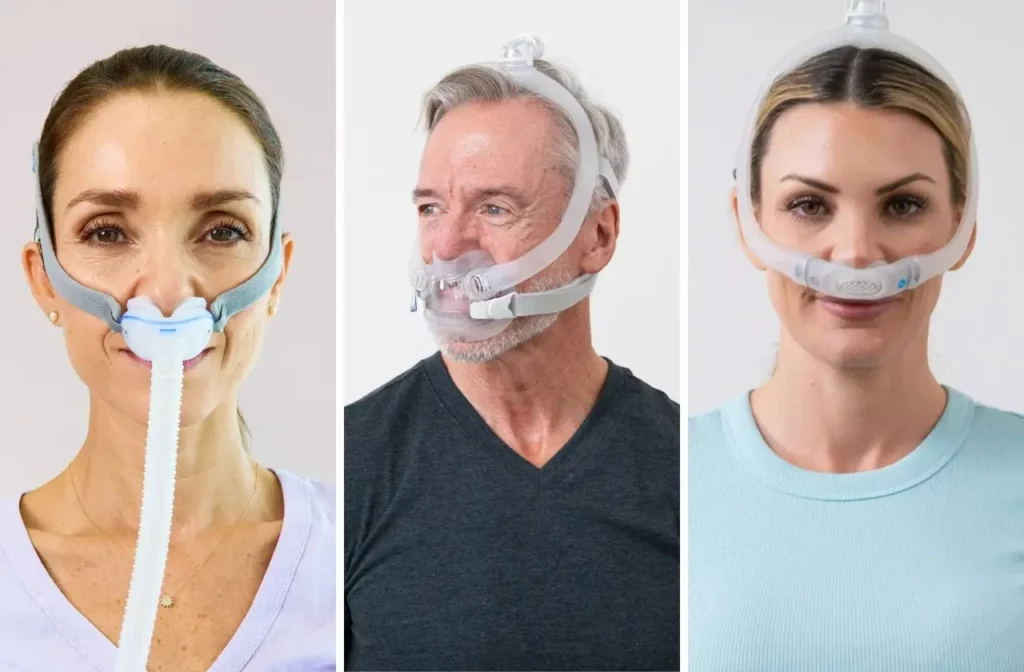
This guide compares major CPAP mask brands by the features that tend to make the biggest difference in real-world use. It focuses on what buyers can actually feel night to night, rather than marketing names.
Which features usually matter most across CPAP mask brands?
Fit, seal stability, and comfort matter most because they directly affect leak rates and whether the wearer keeps the mask on. Even the best mask can fail if the cushion does not match face shape or if the headgear shifts.
After that, noise, hose placement, and how easy the mask is to clean tend to decide long-term satisfaction. Finally, replacement part availability and price matter because cushions and headgear wear out.
How do the big CPAP mask brands differ at a high level?
Most major CPAP mask brands offer the same three mask types: nasal pillows, nasal masks, and full-face masks. The difference is how each brand approaches cushion materials, frame designs, and headgear ergonomics.
ResMed and Philips are often compared for broad availability and clinician familiarity. Fisher & Paykel is known for comfort-first designs and softer face contact. Drive DeVilbiss, 3B Medical, and other value brands can be simpler and cheaper, with fewer sizing and accessory options.
Which brand tends to win on comfort and “forget it’s there” fit?
Comfort usually comes down to cushion softness, pressure distribution, and how stable the mask feels when they roll side to side. Many sleepers prefer designs that reduce hard plastic contact on the cheeks and nose bridge.
ResMed often emphasizes minimal-contact frames and cushions with a structured seal. Fisher & Paykel often leans into softer, more flexible seals and a gentler feel on the face. Philips masks are widely used and can fit well, but comfort can vary more by model and facial structure.
Which brand is typically best for managing leaks?
Leak control depends on how well the cushion adapts to movement and how forgiving the seal is when they change positions. A stable frame and good headgear grip help as much as cushion design.
ResMed masks are frequently chosen for consistent sealing, especially when they need predictable performance at higher pressures. Fisher & Paykel can do well for sensitive skin and variable face shapes, which can reduce “hot spot” leaks. Philips models can seal well, but some wearers find they need more strap tuning to keep leaks low.
Which brand’s headgear and adjustability matter most for fit?
Headgear matters because it determines whether the seal stays put without being overtightened. Better headgear spreads tension evenly and keeps the cushion seated when they move.
ResMed headgear is often designed for quick adjustment and repeatable fit night after night. Fisher & Paykel tends to focus on stability with a softer feel against the scalp. Philips headgear is common and straightforward, but some models are bulkier or require more trial-and-error to dial in.
Which brand is better for side sleepers?
Side sleepers usually need a mask that stays sealed when the pillow presses against it. A low-profile frame, flexible cushion, and stable hose routing help reduce torque and shifting.
ResMed’s minimalist designs and certain nasal pillow styles often appeal to side sleepers because they reduce facial contact points. Fisher & Paykel can be a strong choice when they want a softer seal that tolerates pillow pressure. Philips can work well too, but model choice matters because some frames feel wider on the face.
Which brand is most helpful for mouth breathers and higher pressures?
Mouth breathers often do best with a full-face mask, or with a nasal mask plus chin support if they can keep the mouth closed. Higher pressures tend to expose weak seals, especially around the nose bridge and corners of the mouth.
ResMed is often selected when they need reliable sealing at moderate to higher pressures. Fisher & Paykel can be a good option for comfort when they need a full-face style that feels less “hard” on the face. Philips full-face masks are widely stocked and familiar to providers, which can make fittings easier, though results vary by face shape.
Which brand tends to be quieter for the sleeper and their partner?
Noise comes from vent design, leaks, and how airflow interacts with bedding. A mask can be technically “quiet” but still feel loud if the vent blows toward the pillow or partner.
ResMed often performs well for diffuse venting and consistent airflow. Fisher & Paykel can also be quiet, particularly when the seal is gentle and stable. Philips can be quiet too, but some wearers notice more sound when the seal is slightly off or the vent aims toward fabric.
Which brand has the easiest cleaning and replacement parts?
Easy cleaning usually means fewer small crevices, simple disassembly, and cushions that do not trap oils. Replacement part availability matters because most people replace cushions more often than frames.
ResMed and Philips typically lead on parts availability through local DMEs and online retailers. Fisher & Paykel parts are also available, but selection can be slightly narrower depending on region. Value brands may be harder to source quickly, which can be frustrating when a cushion tears or headgear stretches out.
Other Resources : Resmed Masks with Magnets
Which brand is best for sensitive skin, marks, and irritation?
Skin issues often come from overtightening to chase leaks, silicone sensitivity, trapped moisture, or pressure points on the nasal bridge. A mask that seals with less strap tension usually causes fewer marks.
Fisher & Paykel often appeals to wearers who prioritize gentle contact and reduced pressure points. ResMed can also work well when they choose the right cushion size and avoid over-tightening. Across all brands, the biggest improvement usually comes from correct sizing, routine cushion cleaning, and replacing worn cushions before they harden.
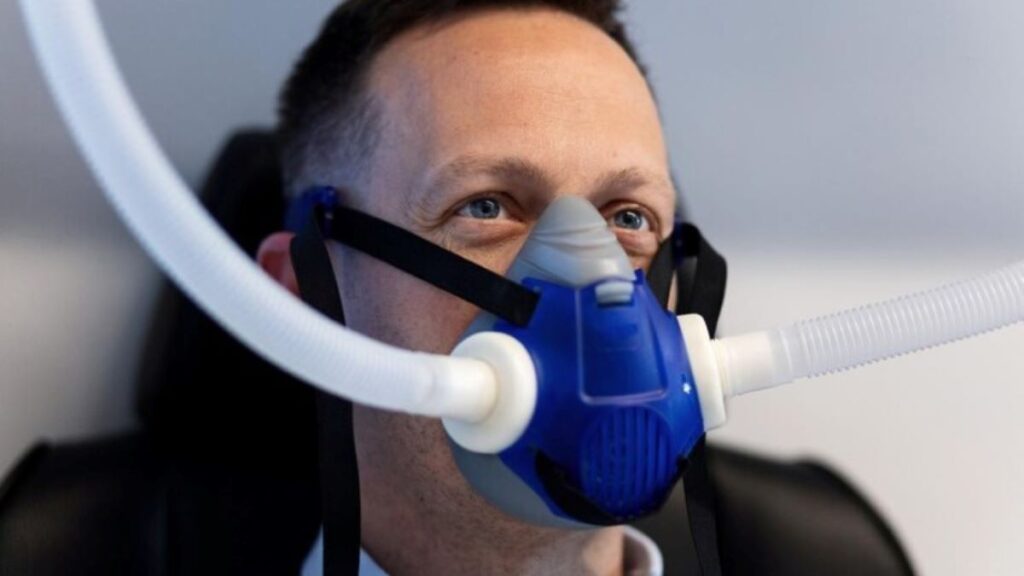
Which brand is most likely to work for smaller or harder-to-fit faces?
Fit ranges vary by brand and model, especially for petite faces or unusual nose bridges. A brand with more cushion sizes, interchangeable parts, and fit templates can make the process easier.
ResMed and Philips often offer broader sizing and widespread fitting support. Fisher & Paykel can fit a wide range too, especially when they need a more adaptive seal. If they are between sizes, a brand that provides printable fit guides or easy cushion exchanges often saves the most time.
How should they choose between ResMed, Philips, and Fisher & Paykel?
They should choose based on their main friction point: leaks, comfort, skin sensitivity, or movement during sleep. Brand reputation matters less than matching mask type and cushion geometry to their face.
If they want consistent sealing and broad parts availability, ResMed is often a safe starting point. If they want a comfort-first feel and gentler face contact, Fisher & Paykel is often worth trying. If they want common availability and familiar fittings, Philips can be a practical choice, especially when a local provider can help with trials.
What practical checklist helps them pick the right CPAP mask faster?
They can start by narrowing down mask type: nasal pillows for minimal contact, nasal masks for balanced comfort, or full-face masks for mouth breathing. Then they should prioritize stable seal over tight straps.
A quick checklist that usually works:
- Can they breathe well through the nose at night?
- Do they wake with dry mouth or mouth leaks?
- Do they sleep on their side or move a lot?
- Are they sensitive to marks on the nose bridge?
- Do they need easy-to-find replacement cushions?
What is the simplest takeaway when comparing CPAP mask brands?
The “best” CPAP mask brand is usually the one whose cushion shape matches their face and stays sealed with minimal strap tension. Comfort and leak control beat every other spec because they determine whether therapy actually happens.
If they are unsure, they should pick a widely supported brand first for easier exchanges and parts. Then they can iterate based on one issue at a time, such as leaks, skin irritation, or side-sleeping stability.
More to Read : 7 CPAP Machine Maintenance Tips for Long-Term Performance
FAQs (Frequently Asked Questions)
Why does choosing the right CPAP mask matter more than the CPAP machine itself?
Choosing the right CPAP mask is crucial because most therapy failures stem from issues like comfort, leaks, noise, or skin irritation rather than insufficient pressure. A well-fitting mask ensures effective therapy by minimizing leaks and maximizing comfort, which encourages consistent use.
What features should I prioritize when selecting a CPAP mask across different brands?
The most important features to consider are fit, seal stability, and comfort as they directly impact leak rates and mask retention during sleep. Additionally, noise levels, hose placement, ease of cleaning, and availability and cost of replacement parts are key factors for long-term satisfaction.
How do major CPAP mask brands like ResMed, Philips, and Fisher & Paykel differ in design and performance?
While most brands offer nasal pillows, nasal masks, and full-face masks, they differ in cushion materials, frame designs, and headgear ergonomics. ResMed focuses on minimal-contact frames with structured seals; Fisher & Paykel emphasizes softer, flexible seals for gentle face contact; Philips offers widely used models with variable comfort depending on facial structure.
Which CPAP mask brand is best suited for side sleepers seeking comfort and leak control?
Side sleepers benefit from masks with low-profile frames, flexible cushions, and stable hose routing to reduce shifting caused by pillow pressure. ResMed’s minimalist designs and certain nasal pillow styles are popular among side sleepers due to reduced facial contact points. Fisher & Paykel also offers softer seals that tolerate pillow pressure well.
What CPAP mask options are recommended for mouth breathers or those requiring higher pressure therapy?
Mouth breathers often need full-face masks or nasal masks combined with chin support to keep the mouth closed. For higher pressures that challenge seal integrity, ResMed masks are favored for reliable sealing. Fisher & Paykel provides comfortable full-face options with gentler facial contact. Philips full-face masks are widely available but may vary in fit depending on face shape.
Which CPAP mask brands provide the best solutions for sensitive skin prone to irritation and marks?
Masks that require less strap tension to achieve a good seal typically cause fewer skin marks and irritation. Fisher & Paykel is preferred by users prioritizing gentle contact and reduced pressure points. ResMed can also be effective when properly sized cushions are used without over-tightening straps. Proper sizing and routine cushion replacement across all brands significantly improve skin comfort.