
Deciding to have LASIK eye surgery is rarely an impulsive choice. For most people, it comes after years of wearing glasses or contact lenses and quietly wondering what life might be like without them. Alongside that curiosity often comes a fair amount of nervousness—especially about what the experience actually involves.
This guide is written to walk you calmly through the entire LASIK journey: what happens before, during, and after the procedure. It’s designed to answer common concerns in plain language, without pressure or exaggeration, and to help you feel prepared, informed, and at ease every step of the way.
What Is LASIK Eye Surgery?
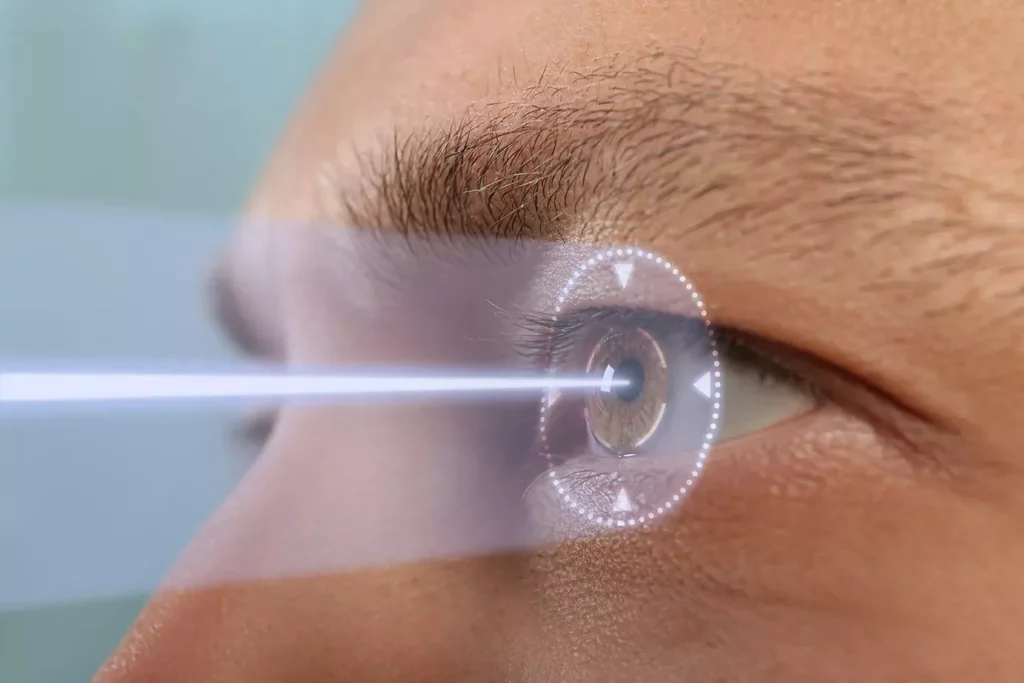
LASIK eye surgery is a form of laser eye surgery used to correct common vision problems by reshaping the cornea. The cornea is the clear, curved surface at the front of the eye that helps focus light. When its shape isn’t quite right, vision becomes blurry.
LASIK gently changes the shape of the cornea so light entering the eye focuses more accurately on the retina. This improved focus can significantly reduce or eliminate the need for glasses or contact lenses in everyday life.
LASIK eye surgery is commonly used to correct:
- Nearsightedness (myopia)
- Farsightedness (hyperopia)
- Astigmatism
It’s a type of refractive surgery, meaning it improves how the eye bends light rather than treating eye disease.
Before LASIK Eye Surgery: Preparing Your Eyes and Your Mind
The period before LASIK eye surgery is just as important as the procedure itself. This stage is all about safety, suitability, and clear expectations.
Your Initial LASIK Consultation
Before anything else, you’ll have a comprehensive eye assessment. This is not a quick vision test—it’s a detailed examination designed to understand your eyes fully.
Your eye care professional will assess:
- Corneal thickness and shape
- Prescription strength and stability
- Pupil size
- Overall eye health
- Tear production and dryness
These measurements help determine whether LASIK eye surgery is suitable and ensure the procedure can be customised to your eyes.
Who LASIK Is Suitable For
LASIK eye surgery is often suitable for people who:
- Are over 18 years of age
- Have had a stable vision prescription for at least one year
- Have healthy eyes with no active conditions
- Have corneas thick enough for safe reshaping
- Have realistic expectations about results
Suitability isn’t about being “perfect”—it’s about safety and long-term eye health.
Who May Not Be a Good Candidate
LASIK may not be recommended if you:
- Have very thin or irregular corneas
- Experience significant or unmanaged dry eye
- Have certain eye conditions that affect healing
- Are pregnant or breastfeeding
- Have unstable or rapidly changing vision
If LASIK isn’t suitable, other vision correction options may still be available.
Preparing in the Days Before Surgery
In the days leading up to LASIK eye surgery, you may be advised to:
- Stop wearing contact lenses (as they can temporarily alter corneal shape)
- Avoid eye makeup and creams before surgery
- Arrange transport home on the day of the procedure
- Get a good night’s sleep
These simple steps help ensure accurate measurements and a smooth experience.
During LASIK Eye Surgery: What Actually Happens
One of the biggest surprises for many people is how quick and controlled LASIK eye surgery feels.
Arriving at the Clinic
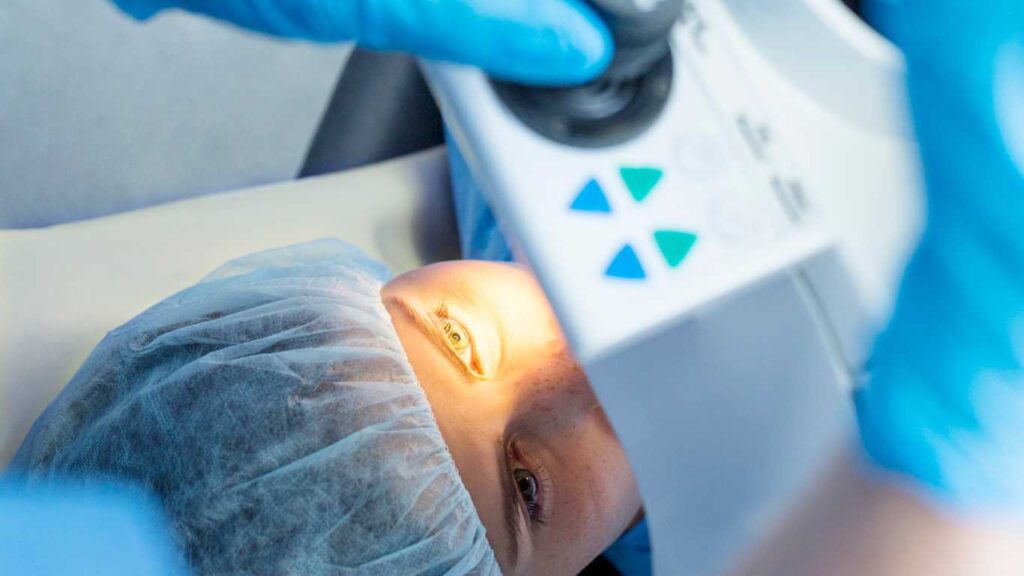
On the day of surgery, you’ll be guided through final checks and preparation. Your eyes will be numbed with drops, so pain is not expected. You’ll remain awake throughout, but most people feel calm and comfortable.
Step-by-Step: How LASIK Works
Step 1: Eye Positioning
A small device gently holds your eyelids open so you don’t need to worry about blinking.
Step 2: Creating the Corneal Flap
A precise laser creates a very thin flap on the surface of the cornea. You may feel mild pressure, but not pain.
Step 3: Reshaping the Cornea
Another laser reshapes the underlying corneal tissue. This step usually takes less than a minute per eye.
Step 4: Replacing the Flap
The flap is gently repositioned. It naturally settles into place without stitches.
The entire LASIK eye surgery procedure typically takes 10 to 15 minutes for both eyes.
What You Might Notice
During the procedure, you may notice:
- Bright lights
- Mild pressure
- Brief blurring or dimming of vision
These sensations are normal and temporary.
Immediately After LASIK Eye Surgery
Once the procedure is complete, you’ll rest briefly before going home. Vision is often blurry or hazy at first, and your eyes may feel watery, gritty, or light-sensitive.
You’ll be given clear aftercare instructions and eye drops to support healing.
After LASIK Eye Surgery: Recovery and Healing
Recovery from LASIK eye surgery is usually smooth, but understanding the healing process helps set realistic expectations.
The First 24 Hours
During the first day:
- Vision may fluctuate
- Eyes may feel dry or sensitive to light
- Rest is encouraged
- Avoid rubbing your eyes
Many people notice improvement surprisingly quickly, even within hours.
The First Week
Over the next few days:
- Vision continues to sharpen
- Most people return to work and daily routines
- Eye drops help prevent dryness and support healing
Protecting your eyes and following instructions is key during this stage.
Longer-Term Healing
In the weeks that follow:
- Vision gradually stabilises
- Minor fluctuations can occur
- Follow-up appointments confirm healing progress
Full visual stability may take several weeks, depending on the individual.
Benefits of LASIK Eye Surgery
When LASIK is appropriate, the benefits often extend beyond vision alone.
Everyday Convenience
Clear vision without glasses or contact lenses can simplify daily activities, from exercising to travelling.
Fast Visual Improvement
Many people experience noticeable improvement within a day.
Long-Lasting Results
Once vision stabilises, the correction is generally long-term, though natural ageing of the eyes still occurs.
Limitations and Things to Keep in Mind
LASIK eye surgery is highly effective, but it has limits.
- It doesn’t prevent age-related vision changes
- Some people may still need reading glasses later
- Not all prescriptions can be fully corrected
- Results can vary slightly between individuals
Understanding these limitations helps ensure satisfaction with the outcome.
Safety and Success Rates
LASIK eye surgery has a strong safety record when performed on suitable candidates. Advances in laser technology, detailed screening, and surgeon experience all contribute to positive outcomes.
Most people report high satisfaction, especially when expectations are realistic and care is provided by reputable clinics.
FAQs: What to Expect with LASIK Eye Surgery
Will I be awake during LASIK eye surgery?
Yes, you remain awake during LASIK eye surgery, but your eyes are numbed with drops. Most people feel pressure rather than pain and remain calm throughout. The procedure is short, and staff guide you through each step to keep you comfortable and reassured.
How soon can I return to normal activities?
Many people return to routine activities, including work, within a day or two. Activities involving dust, water, or eye strain may need to be avoided briefly. Your eye care provider will give specific guidance based on your healing progress.
Is it normal for vision to fluctuate after LASIK?
Yes, mild fluctuations in vision are common during the early healing period. As the cornea settles and heals, vision usually becomes more stable. These changes are typically temporary and improve over several weeks.
Will I still need glasses after LASIK?
Some people may still need glasses for certain tasks, especially reading as they age. LASIK eye surgery reduces dependence on corrective lenses, but it doesn’t stop natural changes that occur in the eyes over time.
How important are follow-up appointments?
Follow-up visits are essential after LASIK eye surgery. They allow your eye care provider to monitor healing, address dryness or irritation, and ensure vision is stabilising as expected. Attending these appointments supports both comfort and long-term results.