
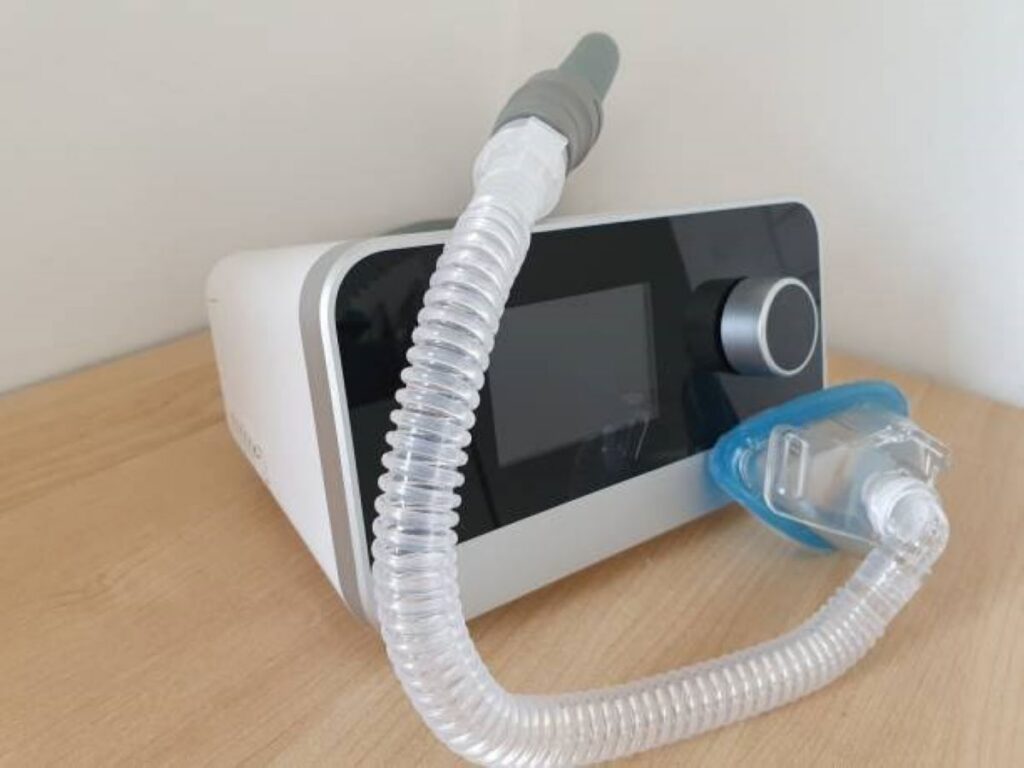
Booking oxygen for travel or recovery can feel straightforward, but the details matter. Before they confirm anything, they should check medical fit, equipment specs, support, and costs so the portable oxygen machine actually works for their situation in Australia.
What does the prescription and clinical clearance need to cover?
They should confirm the booking matches their prescription, including oxygen flow rate, delivery mode, and daily hours. A supplier may ask for a letter from a GP or respiratory specialist, especially if they are travelling interstate, leaving hospital, or coordinating home care.
They should also ask whether the script specifies pulse flow, continuous flow, or both, because that determines which unit is suitable.
Is the machine pulse flow, continuous flow, or both?
They should book the right type for how they breathe and when they need oxygen. Pulse flow delivers oxygen on inhalation and suits many ambulatory users, while continuous flow is often needed for higher requirements, sleep, or some clinical conditions.
If they are unsure, they should confirm with their clinician first, then verify the supplier can provide a portable oxygen machine that meets that mode without compromise.
What flow settings and oxygen purity should they verify?
They should check the device’s maximum setting and whether it matches their prescribed litres per minute or pulse setting. They should also ask the supplier what oxygen concentration the unit delivers across settings, because some portable concentrators can vary under load.
If they need oxygen during exertion, they should confirm performance at higher breathing rates, not just at rest.
How long will the battery last in real use?
They should ask for expected battery runtime at their prescribed setting, not the lowest setting. Battery life is where many bookings fall apart, especially for long drives, day trips, or airport time.
They should also confirm whether the hire includes spare batteries, a multi-bay charger, and a clear plan for charging overnight in hotels or accommodation.
What charging options and power adaptors are included for Australia?
They should confirm the unit comes with an Australian power plug and an in-car DC charger if they will be on the road. If they are travelling to regional areas, they should plan for limited charging access and ask whether extra batteries are available.
A portable oxygen machine is only as reliable as its charging setup, so they should check what is included in writing.
How heavy is it, and how will they carry it day to day?
They should check the total carry weight including battery, accessories, and bag. Even small differences matter if they have stairs, fatigue, or limited mobility.
They should ask whether the hire includes a shoulder bag, backpack, or trolley, and whether the cannula tubing length suits how they will move around the home or accommodation.
Is the noise level acceptable for sleep, work, and public spaces?
They should ask for the unit’s decibel rating and what it sounds like in real use. Noise can affect sleep and comfort, especially in smaller homes, caravans, or shared accommodation.
If they need oxygen overnight, they should confirm the portable oxygen machine is suitable for that environment and won’t disturb others.
Does it work with their cannulas, humidification needs, and accessories?
They should confirm what consumables are supplied and what they must provide. Many hires include basic cannulas, but not all include spare tubing, filters, or connectors.
If they use humidification, they should ask whether a humidifier bottle is compatible, and whether it is appropriate for their prescription and the specific portable oxygen machine model.
What are the airline and airport requirements if they are flying in Australia?
They should confirm the device is airline-approved if they plan to fly with Qantas, Jetstar, Virgin Australia, or regional carriers. Airlines often require specific documentation, battery limits, and an approved model list.
They should also check minimum battery hours required for the flight plus delays, and ask the supplier for written specs for their portable oxygen machine to support airline clearance.
What is the backup plan if the machine fails?
They should ask what happens if the unit alarms, stops producing oxygen, or gets damaged. A good supplier should offer a 24/7 support line, troubleshooting steps, and fast swap-out options, including after-hours where possible.
They should confirm whether a backup cylinder is recommended, and whether it can be supplied for the same booking if the portable oxygen machine is critical.
How quickly can delivery, setup, and training happen?
They should confirm lead times, especially for hospital discharge, last-minute travel, or regional delivery. They should also ask whether setup includes demonstration, written instructions, and a phone walkthrough.
If they have never used a concentrator before, they should not skip training. The goal is that they can operate the portable oxygen machine confidently from day one.
What servicing, cleaning, and filter rules apply during hire?
They should ask who is responsible for cleaning external surfaces, replacing filters, and checking air intakes. Some units have user-changeable filters, while others require the supplier to handle servicing.
They should also ask what triggers fees, such as smoking exposure, pet hair clogging filters, or returning the portable oxygen machine with missing parts.
What are the total costs, deposits, and cancellation terms?
They should request a full quote that lists hire rates, delivery fees, consumables, weekend surcharges, and deposit or bond amounts. They should also ask about minimum hire periods and whether extending the booking changes the daily rate.
They should read cancellation and refund terms carefully, especially if their discharge date or travel plans might shift.
Will private health, NDIS, or other funding apply in their situation?
They should check whether they can claim any portion via private health extras, NDIS (if applicable), or other arrangements linked to their care plan. Rules vary widely, and many suppliers will provide an invoice formatted for claims.
Even if funding is not available, a clear quote helps them compare like-for-like portable oxygen machine options across Australian providers.
Is the supplier reputable and responsive in the Australian market?
They should look for clear contact details, Australian-based support, and transparent policies. Reviews can help, but they should also test responsiveness by calling with a few practical questions about settings, batteries, and swap-outs.
A reliable supplier should be willing to confirm model numbers, specifications, and what is included, rather than offering vague assurances about a portable oxygen machine.
Related : Why Medical Oxygen Is Rarely a DIY Job
What should they check on arrival before they rely on it?
They should inspect the unit and confirm it powers on, charges correctly, and runs without persistent alarms. They should verify the included items match the checklist: power supply, car charger if needed, batteries, carry bag, and spare filters where promised.
They should also practise changing batteries and reading indicators. If anything seems off, they should report it immediately so the portable oxygen machine can be replaced before it becomes urgent.

What questions should they ask before they confirm the booking?
They should ask: What model is it, and is it pulse, continuous, or both? What runtime will they get at their setting? What is included, and what costs extra? What support is available after hours? How fast can a replacement arrive?
If they get clear answers to those points, they are far more likely to book a portable oxygen machine that genuinely fits their health needs and Australian travel plans.
FAQs (Frequently Asked Questions)
What should I check regarding my prescription and clinical clearance before booking a portable oxygen machine in Australia?
You should ensure the booking matches your prescription, including oxygen flow rate, delivery mode (pulse or continuous flow), and daily hours. A supplier may require a letter from your GP or respiratory specialist, especially if travelling interstate, leaving hospital, or coordinating home care. Confirm whether your script specifies pulse flow, continuous flow, or both, as this determines which unit is suitable.
How do I know if I need a pulse flow or continuous flow portable oxygen machine?
Pulse flow delivers oxygen on inhalation and suits many ambulatory users, while continuous flow is often needed for higher oxygen requirements, sleep, or certain clinical conditions. If unsure, consult your clinician first and then verify that the supplier can provide a portable oxygen machine matching that mode without compromise.
What are important factors to verify about the portable oxygen machine’s performance and battery life?
Check the device’s maximum flow settings to ensure they meet your prescribed litres per minute or pulse setting. Also verify the oxygen purity across settings since some concentrators vary under load. Regarding battery life, ask for expected runtime at your prescribed setting—not just at the lowest—and confirm if spare batteries, multi-bay chargers, and clear charging plans for overnight stays are included.
What charging options and power adaptors should be included with a portable oxygen machine for use in Australia?
Confirm that the unit comes with an Australian power plug and an in-car DC charger if you plan to travel by road. For regional travel with limited charging access, ask if extra batteries are available. A reliable charging setup is crucial for portability, so ensure all included accessories are detailed in writing.
How should I consider weight, noise level, and accessories when choosing a portable oxygen machine?
Check the total carry weight including battery and accessories—small differences matter if you have stairs, fatigue, or limited mobility. Ask about carrying options like shoulder bags or trolleys and tubing length for mobility around home or accommodation. Also inquire about noise levels (decibel rating) to ensure comfort during sleep, work, and public spaces; quiet units are essential for overnight use without disturbing others.
What airline requirements and backup plans should I be aware of when using a portable oxygen machine for air travel within Australia?
Confirm that your device is airline-approved by carriers such as Qantas, Jetstar, Virgin Australia, or regional airlines. Airlines often require specific documentation, battery limits, approved model lists, and minimum battery hours covering flight plus delays. Obtain written specifications from your supplier to support airline clearance. Additionally, ask about backup plans if the machine fails—such as 24/7 support lines and fast swap-out options—to ensure uninterrupted oxygen supply during travel.