
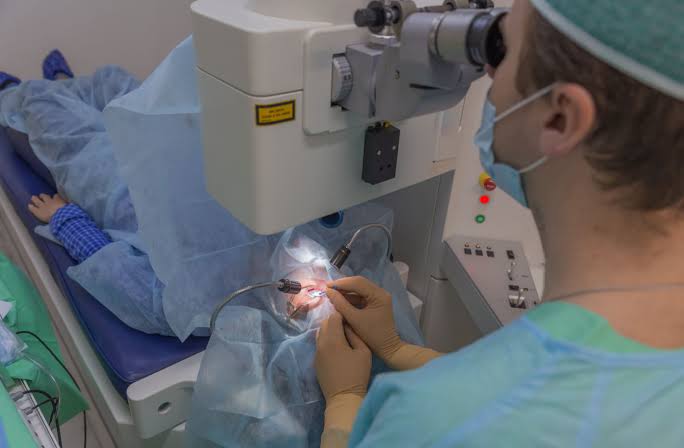
They usually start by asking one simple thing: what will it actually cost? The honest answer is that cataract surgery cost in Australia depends on the lens choice, where the procedure happens, and what their surgeon charges.
This guide breaks cataract surgery cost into the real line items people see on quotes and invoices, so they can compare options without guesswork.
What does cataract surgery cost in Australia usually include?
In most cases, cataract surgery cost includes the surgeon’s fee, the anaesthetist (if used), the hospital or day surgery facility fee, and the intraocular lens implant. It may also include pre-op measurements and a set of follow-up visits, but that varies by clinic.
They should ask for an itemised quote so they can see what is bundled and what is billed separately.
How much of the cataract surgery cost is the surgeon’s fee?
The surgeon’s fee is often the largest single professional fee within cataract surgery cost. It covers assessment of the cataract, planning the operation, performing the procedure, and coordinating aftercare.
In Australia, the final out-of-pocket amount can change depending on whether they are treated as a public patient, private patient, and whether the surgeon charges above the Medicare Schedule Fee.
What is the anaesthetist fee and when is it charged?
An anaesthetist fee applies when an anaesthetist is involved, such as for sedation or specific medical needs. Some cataract procedures use local anaesthetic only, while others include twilight sedation depending on the facility and the patient.
They should confirm in writing whether an anaesthetist fee is expected, because it can be a separate bill and a meaningful part of cataract surgery cost.
What does the hospital or day surgery facility fee cover?
The facility fee covers the operating theatre, nursing staff, consumables, sterilisation, and recovery space. In private day hospitals across Australia, this is a key driver of cataract surgery cost because theatres and staff are billed as part of the episode of care.
If they are comparing quotes, they should check whether the procedure is planned in a private hospital, a day surgery centre, or through the public system.
How much does the lens implant affect the cataract surgery cost?
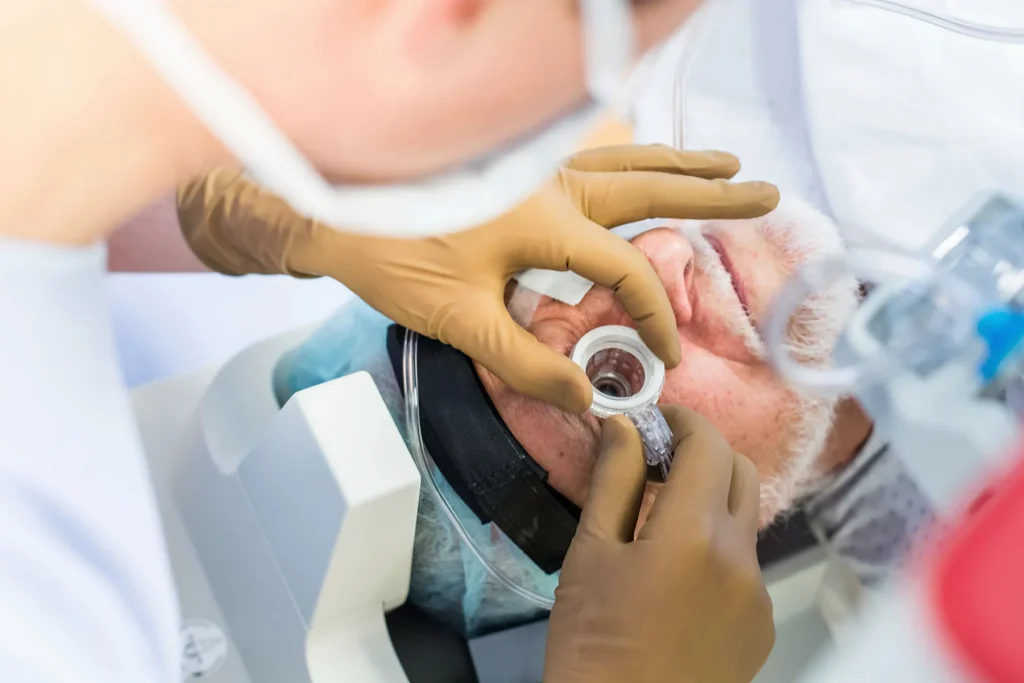
The lens implant can shift cataract surgery cost more than people expect. A standard monofocal lens is commonly used and may have lower or no additional charges depending on setting and cover.
Premium lenses, such as toric lenses for astigmatism or multifocal and extended depth of focus lenses, may add significant out-of-pocket costs in private care. They should ask which lens is recommended and why, then request the exact lens-related surcharge in the quote.
What are “premium lens” add-ons and what do they pay for?
Premium lens add-ons typically pay for upgraded implant technology and sometimes additional testing and planning. The goal is usually to reduce reliance on glasses for distance, near, or both, or to address astigmatism more precisely.
They should be cautious about assuming “premium” automatically means “best,” because the right choice depends on their eyes, lifestyle, and tolerance for visual side effects. This decision can materially change cataract surgery cost, so it deserves a clear explanation.
What do pre-operative tests and measurements cost?
Pre-op testing often includes ocular biometry to calculate lens power, corneal topography for astigmatism assessment, and scans to check eye health. Some clinics include these in a package, while others bill them separately.
They should confirm whether the quote includes these tests, because unexpected testing charges can push cataract surgery cost higher than anticipated.
Are there separate costs for scans like OCT?
Optical coherence tomography (OCT) may be recommended to assess the retina or macula, especially if they have diabetes, macular degeneration, or reduced vision that is not fully explained by the cataract. In Australia, OCT fees vary by clinic and reason for the test.
If OCT is suggested, they should ask whether it is optional, what it is checking for, and whether it is included in the overall cataract surgery cost estimate.
What medications are part of the cataract surgery cost?
Most people use prescription eye drops before and after surgery, commonly antibiotic and anti-inflammatory drops. These are usually purchased at a pharmacy and are not always included in the surgical quote.
They should ask which medications are required, for how long, and whether any are non-PBS items, because medication costs can be an overlooked part of cataract surgery cost.
How much do post-operative follow-up appointments cost?
Follow-ups are often scheduled at set intervals, such as the next day, one week, and a few weeks later. Some surgeons include standard follow-ups in their fee, while others may bill certain visits or tests separately.
They should confirm exactly how many appointments are included, and whether any extra visits, pressure checks, or scans would add to cataract surgery cost.
Does private health insurance reduce cataract surgery cost?
Private health insurance can reduce cataract surgery cost by covering the hospital or day surgery accommodation fee, depending on their level of cover and excess. It may not fully cover the surgeon’s fee or the anaesthetist fee if those providers charge above the schedule.
They should contact their insurer before booking and ask what the fund pays for cataract surgery, what their excess is, whether gaps apply, and whether the surgeon participates in any no-gap or known-gap arrangements.
What does Medicare cover for cataract surgery in Australia?
Medicare typically covers part of the medical services, such as the consultation and surgery item numbers, but it does not cover private hospital facility fees. That means Medicare can reduce cataract surgery cost for the medical component, yet they may still face substantial out-of-pocket costs in private settings.
They should ask the clinic which Medicare item numbers apply and what rebate estimates are being used in the quote.
How is cataract surgery cost different in the public system?
In the public system, cataract surgery is generally provided at low or no direct cost to eligible Medicare patients, but wait times can be longer and there may be less choice of surgeon and scheduling. Lens options may be more limited, with premium upgrades less commonly offered.
For many people, the trade-off is time and choice versus lower cataract surgery cost.
What does “gap” mean and why does it change the final bill?
The “gap” is the difference between what Medicare and any private health insurer pays and what the provider charges. A larger gap increases cataract surgery cost out of pocket.
They should ask each provider involved, including surgeon and anaesthetist, for an estimate of the gap in dollars, not just a general statement like “there may be a gap.”
Are there extra costs if they have astigmatism?
Astigmatism can be managed in different ways during cataract surgery, and some options add cost. A toric lens implant may increase cataract surgery cost, and some clinics may also charge for extra measurements or planning.
They should ask how much astigmatism they have, what correction options are suitable, and whether a toric lens is being recommended primarily for vision benefits or convenience.
Do laser-assisted techniques change the cataract surgery cost?
Some surgeons offer femtosecond laser-assisted cataract surgery, often marketed as increasing precision for certain steps. In Australia, laser-assisted options commonly involve an extra out-of-pocket fee in private care.
They should ask what the laser changes in their specific case, whether outcomes are expected to be meaningfully different for them, and what the exact increase in cataract surgery cost would be.
What are the possible additional costs if there are complications or extra needs?
Most cataract procedures are straightforward, but extra appointments, additional medications, or further procedures can add costs if complications occur. People with complex eyes, dense cataracts, prior eye surgery, or other eye disease may require more planning or follow-up.
They should ask if their case is considered routine, what risks are elevated, and whether the quote assumes an uncomplicated recovery, because that affects cataract surgery cost forecasting.
What costs show up if both eyes need surgery?
Many people need both eyes treated, usually on separate days. Cataract surgery cost is typically quoted per eye, so the total can be roughly double, though some parts like initial consultations may not duplicate fully.
They should request a per-eye breakdown and a combined estimate for both eyes, including how follow-up visits are handled across the two procedures.
How can they compare quotes without missing hidden cataract surgery cost items?
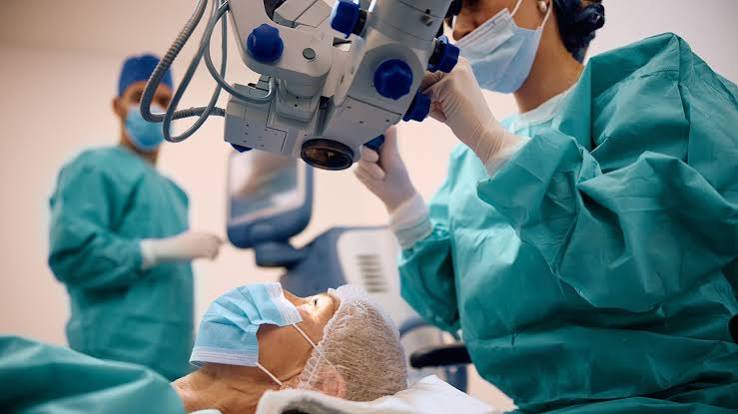
They can compare quotes by forcing a like-for-like list. The simplest approach is to ask each clinic for an itemised quote covering surgeon, anaesthetist, facility, lens choice, tests, and follow-ups, plus expected Medicare and insurance rebates.
They should also confirm whether they will receive separate bills. A quote that looks lower can still lead to higher cataract surgery cost if key items are excluded.
What questions should they ask to get an itemised breakdown?
They should ask for the quote in writing and request clarity on what is included and excluded. Good clinics are used to these questions and will answer plainly.
Here are practical questions they can copy and paste:
- What is the total cataract surgery cost per eye, and what is the total expected out-of-pocket?
- What are the surgeon, anaesthetist, and facility fees separately?
- Which lens is included, and what is the added cost for toric, multifocal, or extended depth of focus lenses?
- Are biometry, topography, and OCT included, and if not, what do they cost?
- How many follow-ups are included, and what is charged if extra visits are needed?
- What Medicare item numbers apply, and what rebates are assumed?
- If they have private health insurance, what fund item codes will be used and what gap is expected?
What is the simplest way to estimate their personal cataract surgery cost?
They can estimate their cataract surgery cost by starting with the per-eye itemised private quote, then subtracting Medicare rebates and any insurer contributions they have confirmed in writing. The remainder is their likely out-of-pocket, plus pharmacy drops and any extra testing not included.
If they want fewer surprises, they should confirm who bills them, when payment is due, and whether fees change if lens choices change.
What should they do next before booking?
They should book a consultation with a cataract surgeon and request an itemised quote after their measurements are complete. That is usually the point where cataract surgery cost becomes specific rather than vague.
If they are unsure, they can seek a second opinion, especially when premium lenses or laser add-ons are being recommended, because those are often the biggest swing factors in cataract surgery cost.
The cost of cataract surgery in Australia depends on several key factors including the choice of intraocular lens, the location where the procedure is performed (private hospital, day surgery centre, or public system), and the fees charged by the surgeon. Additional elements like anaesthetist involvement, pre-operative tests, and follow-up visits also affect the total cost.
Typically, cataract surgery quotes include the surgeon’s fee, anaesthetist fee (if applicable), hospital or day surgery facility fee, and the intraocular lens implant. Some clinics may also bundle pre-operative measurements and a set of follow-up visits into their pricing. It is important to request an itemised quote to understand which services are bundled and which are billed separately.
The type of intraocular lens chosen can significantly influence cataract surgery costs. Standard monofocal lenses often incur lower or no additional charges, whereas premium lenses—such as toric lenses for astigmatism correction or multifocal/extended depth-of-focus lenses—can add substantial out-of-pocket expenses in private care settings. Patients should ask their surgeon for recommendations and exact lens-related surcharges before proceeding.
An anaesthetist fee applies when sedation or specific medical needs require an anaesthetist’s involvement during cataract surgery. While some procedures use only local anaesthetic, others include twilight sedation depending on the facility and patient requirements. Patients should confirm in writing whether an anaesthetist fee will be charged as it may be a separate and significant part of the overall cost.
Private health insurance can reduce out-of-pocket costs by covering hospital or day surgery accommodation fees depending on the level of cover and excess. However, it may not fully cover surgeon or anaesthetist fees if providers charge above Medicare Schedule Fees. It’s advisable to contact your insurer beforehand to understand what is covered, any excess payable, potential gaps, and whether your chosen surgeon participates in no-gap or known-gap arrangements.
Pre-operative tests such as ocular biometry, corneal topography, and scans may be included in some surgical packages but can also be billed separately depending on the clinic. Similarly, post-operative follow-up appointments are often scheduled at standard intervals; some surgeons include these visits in their fees while others charge separately for additional appointments or tests. Confirming these details upfront helps avoid unexpected charges related to testing and aftercare.