
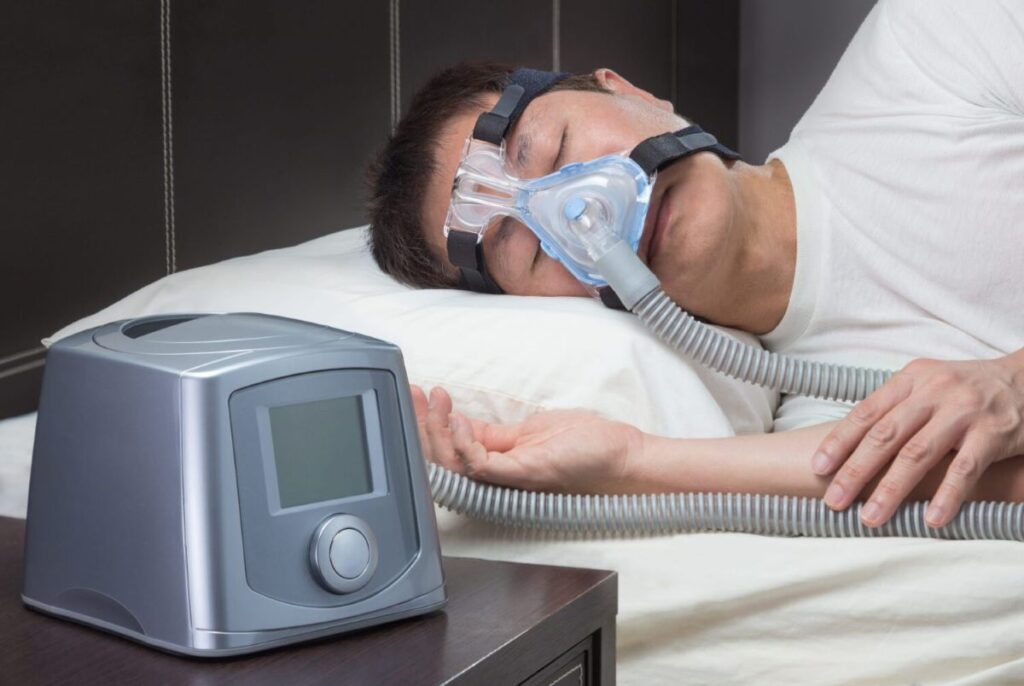
Medical oxygen looks simple from the outside: a cylinder, a regulator, a mask, and a flow rate. In Australia, though, the reality is more complex. Medical oxygen is a regulated medicine with tight rules around purity, storage, delivery, and clinical use, which is why it is rarely something people should try to manage themselves.
For most patients, the safest path is a clinician-led plan, supplied by an approved provider, with clear instructions and follow-up. When medical oxygen is treated like a DIY project, small mistakes can become serious problems quickly.
Why do people think medical oxygen is an easy DIY fix?
They often see medical oxygen as “just oxygen”, especially after watching someone use a nasal cannula in hospital or aged care. They might assume that buying a cylinder, copying a flow rate, and using it at home is enough.
In practice, medical oxygen is part of treatment, not a general wellness product. The right approach depends on diagnosis, target saturations, delivery device, and how the person responds at rest, during sleep, and with activity.
What makes medical oxygen different from regular oxygen?
Medical oxygen is supplied to strict medicinal standards, including validated concentration, handling, and traceability. That matters because the person using it may have limited respiratory reserve and little margin for error.
“Industrial” oxygen and other non-medical sources are not the same product pathway, even if the label suggests high concentration. Medical oxygen supply chains are built to match clinical expectations around quality, storage, and use.
Why is medical oxygen considered a medicine in Australia?
In Australia, oxygen for therapeutic use is treated as a medicine because it is used to manage or prevent illness. That classification drives how it is prescribed, dispensed, and monitored.
Medical oxygen also interacts with other treatments and conditions. The patient’s underlying diagnosis, carbon dioxide retention risk, medication use, and comorbidities can change what “safe oxygen” looks like.
How can the wrong flow rate cause harm?
A flow rate that is too low may fail to correct hypoxaemia, leaving the person fatigued, confused, or at risk of organ stress. A flow rate that is too high can also be dangerous for some patients, depending on their respiratory condition.
With some chronic lung diseases, excessive oxygen may worsen carbon dioxide retention. That is why medical oxygen targets are often set by clinicians, not guessed from a hospital memory or a chart found online.
Other Resources : Chronic respiratory conditions in Australia, About
Why is it risky to copy a hospital setting at home?
Hospital oxygen is typically started during an acute illness, with staff monitoring oxygen saturation, respiratory rate, mental state, and sometimes blood gases. Settings can change hour by hour as the patient improves or deteriorates.
At home, those safety nets are thinner. Copying hospital settings without the same monitoring can turn medical oxygen into a blunt tool used without feedback, particularly overnight or during exertion.
What problems can happen if oxygen is used without a diagnosis?
Breathlessness is not the same as low oxygen. People may feel short of breath due to asthma, anxiety, heart failure, infection, anaemia, or poor conditioning, even when oxygen levels are normal.
Using medical oxygen without confirming hypoxaemia can delay proper assessment and treatment. It can also mask symptoms that should prompt urgent review, especially if the underlying cause is cardiac or infectious.
See Also : What to Check Before Booking a Portable Oxygen Machine
How do clinicians decide who actually needs medical oxygen?
They usually start by measuring oxygen saturation and assessing symptoms, then consider testing during exertion and sleep when needed. For longer-term therapy, they may confirm persistent hypoxaemia and evaluate how the person responds to oxygen.
They also decide the target saturation range, device type, and hours per day. Medical oxygen plans are built around the patient’s condition and risks, not just a single reading on a finger probe.
Why can pulse oximeters be misleading for DIY decisions?
Consumer oximeters can be useful, but they are not perfect. Cold hands, poor circulation, movement, nail polish, darker skin tones, and device quality can affect readings.
Even accurate readings need clinical context. A number alone does not explain why saturation is low, whether it is transient, or what target range is appropriate. That is why medical oxygen decisions should not rely on self-measurement alone.
What hidden fire risks come with medical oxygen at home?
Oxygen itself is not flammable, but it greatly accelerates combustion. Materials can ignite more easily and burn faster in oxygen-enriched environments.
Common hazards include smoking, open flames, gas cooktops, candles, and even sparks near oxygen equipment. Medical oxygen safety also involves storage away from heat sources and ensuring good ventilation, especially in smaller Australian homes or flats.
Why are cylinders, regulators, and fittings not “plug and play”?
Regulators must match the cylinder type, be in good condition, and deliver accurate flow. Incorrect fittings, worn seals, or damage can cause leaks or inaccurate delivery.
Even small issues can matter. A leak can create an oxygen-rich area that raises fire risk, and an inaccurate regulator can deliver less or more oxygen than intended. With medical oxygen, equipment compatibility and maintenance are part of safety.
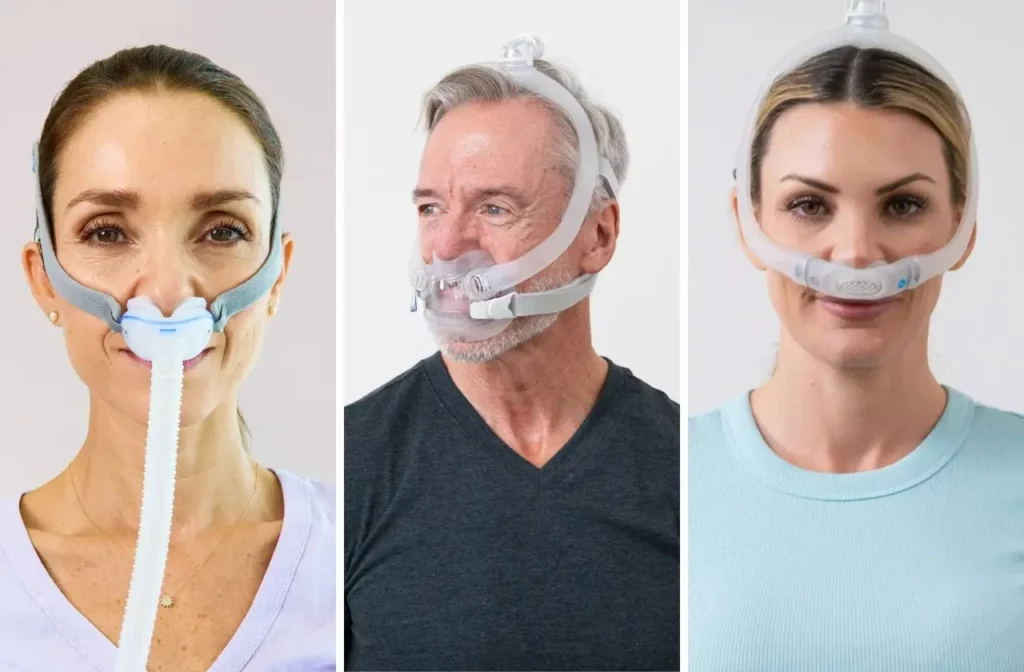
What about using oxygen concentrators without guidance?
Concentrators can be appropriate for some patients, but they still require a prescription-led plan, correct setup, and ongoing checks. Their performance can vary with maintenance, filters, and the device’s condition.
They also require planning for power outages and mobility needs. In some Australian regions, heat, dust, or long summer power disruptions can complicate concentrator use, which is why providers often discuss backup options.
Why does “more oxygen” not always mean “better”?
Oxygen is a therapy with a goal: keeping saturations in a safe range. Too little does not help, but too much can also be unhelpful or harmful depending on the patient’s physiology.
Medical oxygen is usually titrated to a target, and that target can differ by diagnosis. The aim is stability, not the maximum number on an oximeter.
How can DIY oxygen use affect other treatments?
If oxygen is used casually, patients may skip inhalers, airway clearance, pulmonary rehab, or medication reviews that address the real cause. Oxygen can also change how symptoms present, which can complicate clinical decision-making.
Medical oxygen is often one part of a bigger plan that includes exercise, vaccinations, smoking cessation, and management of exacerbations. DIY use can pull focus away from those foundations.
What legal and supply issues come with sourcing medical oxygen privately?
In Australia, medical oxygen for home use typically involves prescription pathways and approved suppliers. Those channels support correct equipment, servicing, and safety education.
When people try to bypass these systems, they may end up with unsuitable equipment or unclear product provenance. With medical oxygen, traceability and support matter, especially when something goes wrong at night or on a weekend.
Why do providers insist on education and follow-up?
Education covers device use, flow settings, cleaning, tubing length, fall hazards, and fire safety. Follow-up checks confirm that the therapy still makes sense and that the equipment is working properly.
Needs can change after infections, hospital admissions, or disease progression. Medical oxygen that was appropriate six months ago may be too much, too little, or no longer needed, which is why ongoing review is part of safe care.
When is medical oxygen appropriate outside hospitals?
It is often used at home for chronic hypoxaemia, palliative care, or short-term recovery when clinically indicated. It may also be prescribed for exertional or nocturnal desaturation in selected cases.
Even then, it should be planned. Medical oxygen use at home works best when the patient has clear targets, the right device, and a straightforward action plan for flare-ups or equipment issues.
What should they do if they think they need oxygen?
They should start with their GP or respiratory specialist, or seek urgent care if symptoms are severe. A clinician can assess oxygen levels properly, identify the cause, and decide whether oxygen is needed.
If medical oxygen is prescribed, they should use the supplier recommended through clinical pathways and ask for clear written instructions. They should also request a review plan, especially if their condition is changing.
How can they make home oxygen safer if it is prescribed?
They should keep oxygen away from flames, never smoke near it, and store cylinders upright and secure. They should keep tubing tidy to reduce trip risks and avoid using oil-based creams near the cannula or mask.
They should also know what to do if the equipment alarms, runs out, or leaks, and keep emergency numbers handy. Medical oxygen is safest when everyone in the home understands the rules.
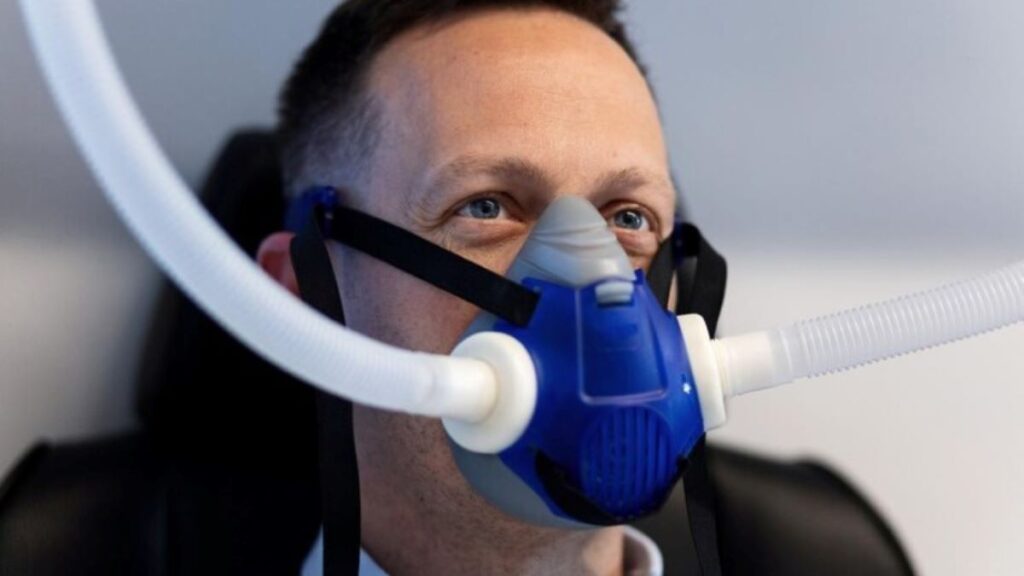
What is the simplest takeaway for Australian households?
Medical oxygen is rarely a DIY job because it is a medicine, not a gadget. It needs the right diagnosis, the right target range, safe equipment, and ongoing review.
When medical oxygen is prescribed and supported properly, it can improve comfort and function. When it is improvised, the risks can outweigh the benefits, particularly around incorrect dosing, delayed diagnosis, and preventable fire hazards.
FAQs (Frequently Asked Questions)
Why is medical oxygen considered a regulated medicine in Australia?
In Australia, medical oxygen is classified as a regulated medicine because it is used to manage or prevent illness. This classification means it must be prescribed, dispensed, and monitored under strict rules to ensure safety and efficacy, considering the patient’s diagnosis, medication use, and comorbidities.
What risks are associated with using medical oxygen without clinical supervision?
Using medical oxygen without clinical supervision can lead to serious problems such as incorrect flow rates that may fail to correct hypoxaemia or cause harmful effects like carbon dioxide retention. Additionally, copying hospital settings at home without monitoring removes vital safety checks, increasing risks especially during sleep or exertion.
How does medical oxygen differ from industrial or non-medical oxygen sources?
Medical oxygen is supplied under strict medicinal standards ensuring validated concentration, proper handling, and traceability tailored for therapeutic use. Industrial or non-medical oxygen lacks these controls and quality assurances, making it unsuitable and potentially unsafe for patients who require precise oxygen therapy.
Why can’t patients simply replicate hospital oxygen settings at home?
Hospital oxygen therapy is closely monitored with frequent assessments of oxygen saturation, respiratory rate, and mental state. Settings are adjusted dynamically based on patient condition. At home, without this continuous monitoring and clinical oversight, replicating hospital settings can result in inappropriate oxygen delivery that may harm the patient.
What are the dangers of using medical oxygen without an accurate diagnosis?
Breathlessness can stem from various causes not related to low oxygen levels. Using medical oxygen without confirming hypoxaemia can delay proper diagnosis and treatment of underlying conditions like asthma, heart failure, or infection. It may also mask symptoms that require urgent medical attention.
What safety precautions should be taken when using medical oxygen at home?
Medical oxygen greatly accelerates combustion; therefore, it’s essential to avoid smoking, open flames, sparks near equipment, and heat sources. Proper storage away from heat and ensuring good ventilation are critical to reduce fire risks. Equipment such as cylinders and regulators must be compatible and well-maintained to prevent leaks or inaccurate flow delivery.