

Before booking a procedure, most people want clear, practical answers. This guide covers the most common questions patients ask before eye cataract surgery in Australia, in plain language.
What exactly is a cataract, and how do they know it’s the cause of blurry vision?
A cataract is a clouding of the eye’s natural lens, which can make vision look hazy, dull, or glare-heavy. In Australia, optometrists and ophthalmologists confirm cataracts with an eye exam, checking the lens and measuring how vision is affected.
They may compare symptoms with other common issues like dry eye, macular degeneration, or changes in glasses strength.
When do they actually need eye cataract surgery?
They usually need cataract eye surgery when vision problems affect daily life, not just when a cataract is “present.” That can include trouble driving at night, reading, recognising faces, or managing work safely.
In Australia, many specialists use both vision testing and the patient’s functional complaints to decide timing. If new glasses no longer help much, surgery is often the next step.
Can cataracts be treated without surgery?
No medication, eye drops, or supplements can reverse a cataract. If symptoms are mild, they may manage for a while with updated glasses, brighter lighting, anti-glare sunglasses, and avoiding night driving.
Once the lens clouding interferes with normal activities, eye cataract surgery is the only effective treatment.
What happens during eye cataract surgery?
During eye cataract surgery, the cloudy lens is removed and replaced with a clear artificial lens (an intraocular lens, or IOL). In most Australian day-surgery settings, the procedure is done under local anaesthetic, and it usually takes less than an hour including preparation.
They are typically awake but comfortable, and they should not feel pain, although they may notice pressure or bright lights.
Is eye cataract surgery painful?
Most patients describe eye cataract surgery as uncomfortable rather than painful. Numbing drops and/or a local anaesthetic injection are commonly used in Australia, and the surgical team monitors comfort closely.
Afterwards, the eye can feel gritty, watery, or mildly sore for a short period. If they feel significant pain, they should contact their clinic promptly, as it may need review.
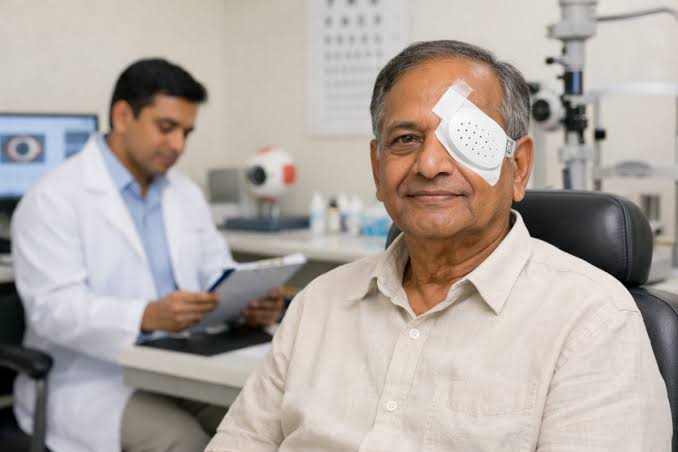
How safe is eye cataract surgery in Australia?
Eye cataract surgery is one of the most common and successful procedures performed in Australia. Serious complications are uncommon, but no surgery is risk-free.
Common risks discussed include infection, inflammation, raised eye pressure, swelling, lens displacement, and retinal detachment. Their ophthalmologist should explain personal risk factors, especially if they have diabetes, previous eye surgery, high myopia, or other eye disease.
What tests do they need before surgery?
Before eye cataract surgery, they usually have measurements taken to calculate the artificial lens power. This often includes ocular biometry, corneal measurements, and a review of eye health such as the retina and optic nerve.
They may also be asked about general health conditions and medications, including blood thinners. In Australian clinics, they typically receive pre-op instructions about drops, fasting (if sedation is planned), and transport home.
Do they have to stop blood thinners or other medications?
They should never stop medications without their GP, cardiologist, or surgeon advising them. Many people in Australia continue blood thinners for cataract procedures, but it depends on the medication and individual risk profile.
They should provide a full list of scripts, over-the-counter medications, and supplements. The clinic will advise what to continue, pause, or adjust, and when.
What lens options are available, and how do they choose?
Most people can choose between standard monofocal lenses (often set for distance vision) and premium options that may reduce dependence on glasses. In Australia, choices commonly include monofocal, toric (for astigmatism), and multifocal or extended depth-of-focus lenses.
They choose based on lifestyle, eye measurements, existing eye conditions, and budget. The right choice is the one that matches what they want most, such as night driving clarity, reading without glasses, or fewer halos.
Will they still need glasses after surgery?
Many people still need glasses for some tasks after eye cataract surgery, especially close work if they choose distance-focused monofocal lenses. Others may still need distance glasses depending on healing and pre-existing prescription.
If they select toric lenses, they may reduce astigmatism-related blur. If they select multifocal or extended depth-of-focus lenses, they may reduce the need for reading glasses, though there can be trade-offs like glare or halos at night.
Can they have both eyes done at the same time?
In Australia, it is more common to operate on one eye first, then the other eye days or weeks later. Staging the procedures helps confirm the first eye’s result and reduces risk.
Some patients ask about same-day bilateral surgery, but it is not routine and depends on surgeon preference, facility policies, and patient suitability.
How long does recovery take, and what will they notice day by day?
Most people notice clearer vision within days, but vision can fluctuate while the eye heals. In the first 24 to 48 hours after eye cataract surgery, they may have light sensitivity, mild scratchiness, and watery eyes.
Over the next few weeks, the vision usually stabilises as inflammation settles. Australian surgeons commonly schedule follow-ups and advise when it is safe to update glasses, often after several weeks.
What restrictions will they have after surgery?
They are often advised to avoid rubbing the eye, swimming, heavy lifting, dusty environments, and eye makeup for a period. They may also need to wear a protective shield at night initially.
Driving restrictions depend on vision and comfort. In Australia, they should not drive until they meet legal vision standards and their surgeon or optometrist confirms it is safe.
When can they go back to work, exercise, and normal routines?
Many return to desk work within a few days, depending on comfort and vision demands. Physically demanding jobs may require longer, especially if heavy lifting or exposure to dust is involved.
Light exercise like walking is often fine early, but strenuous workouts, bending with strain, and contact sports are usually delayed. Their Australian clinic will provide a tailored timeline based on healing and risk factors.
What are the most common side effects, and what symptoms are urgent?
Common short-term effects include dry eye symptoms, glare, halos, mild redness, and fluctuating focus. These often improve as healing progresses and drops are tapered.
Urgent symptoms include severe pain, sudden vision loss, increasing redness, a lot of discharge, flashing lights, a curtain-like shadow, or rapidly worsening floaters. If these occur after eye cataract surgery, they should contact their surgeon or go to an Australian emergency department.

What if they have other eye conditions like macular degeneration, glaucoma, or diabetic eye disease?
Other eye conditions can affect the final vision result, even if the cataract is removed perfectly. Their ophthalmologist should explain what improvement is realistic and whether extra monitoring is needed.
In Australia, patients with diabetes may need a retinal check and careful control of inflammation. Those with glaucoma may need pressure monitoring. Those with macular degeneration may see less improvement in fine detail.
How much does eye cataract surgery cost in Australia?
Costs depend on whether they go public or private, the hospital or day surgery centre, and the lens type chosen. In the Australian public system, eligible patients can often access cataract surgery with little or no out-of-pocket cost, but waiting times may apply.
In private care, Medicare and private health insurance may cover part of the surgeon, anaesthetist (if used), and facility fees, but gaps can remain. Premium lenses can increase out-of-pocket costs.
What should they ask at their consultation to feel confident?
They should ask how advanced the cataract is, what outcomes are realistic, and which lens suits their goals. It also helps to ask about the surgeon’s recommended timeline, expected recovery, and the clinic’s after-hours contact process.
For eye cataract surgery, they may also ask for a written cost estimate, what is included, and what could be extra. The best consultation leaves them knowing what will happen, why it is recommended, and what to do next.
A cataract is a clouding of the eye’s natural lens that causes vision to appear hazy, dull, or affected by glare. In Australia, optometrists and ophthalmologists diagnose cataracts through a comprehensive eye exam, assessing the lens and measuring vision changes. They also differentiate cataracts from other conditions like dry eye or macular degeneration.
Eye cataract surgery is typically recommended when vision problems from cataracts begin to interfere with daily activities such as night driving, reading, recognizing faces, or working safely. Australian specialists use both vision tests and patient-reported difficulties to determine the right timing for surgery, especially when new glasses no longer improve sight.
No medications, eye drops, or supplements can reverse cataracts. Mild symptoms may be managed temporarily with updated glasses, brighter lighting, anti-glare sunglasses, and avoiding night driving. However, once cataracts significantly impact normal activities, eye cataract surgery is the only effective treatment.
During the procedure, the cloudy natural lens is removed and replaced with a clear artificial intraocular lens (IOL). The surgery usually takes less than an hour under local anaesthetic in Australian day-surgery settings. Patients remain awake but comfortable and typically do not feel pain, though they might notice pressure or bright lights.
Most patients describe the surgery as uncomfortable rather than painful due to numbing drops or local anaesthesia used in Australia. After surgery, eyes may feel gritty, watery, or mildly sore briefly. Vision usually improves within days but can fluctuate during healing. Follow-up visits help monitor progress and determine when new glasses are needed.
Eye cataract surgery is one of the most common and successful procedures in Australia with serious complications being rare. Potential risks include infection, inflammation, raised eye pressure, swelling, lens displacement, or retinal detachment. Ophthalmologists discuss personal risk factors based on individual health conditions like diabetes or previous eye surgeries.